Bayesian Adaptive Design
Bayesian Adaptive Design allows clinical trials to be modified in real time based on accumulating data, using Bayesian statistics to combine prior knowledge with observed results. This placeholder content will be refined with the Cogitars team.
What is Bayesian Adaptive Design?
Bayesian Adaptive Design is a clinical trial methodology that allows pre-specified modifications — such as sample size, dose allocation, or stopping rules — to be made during the trial based on interim data, using Bayesian probability to formally combine prior information with accumulating evidence. Placeholder text — to be refined.
How Cogitars Supports Adaptive Trials
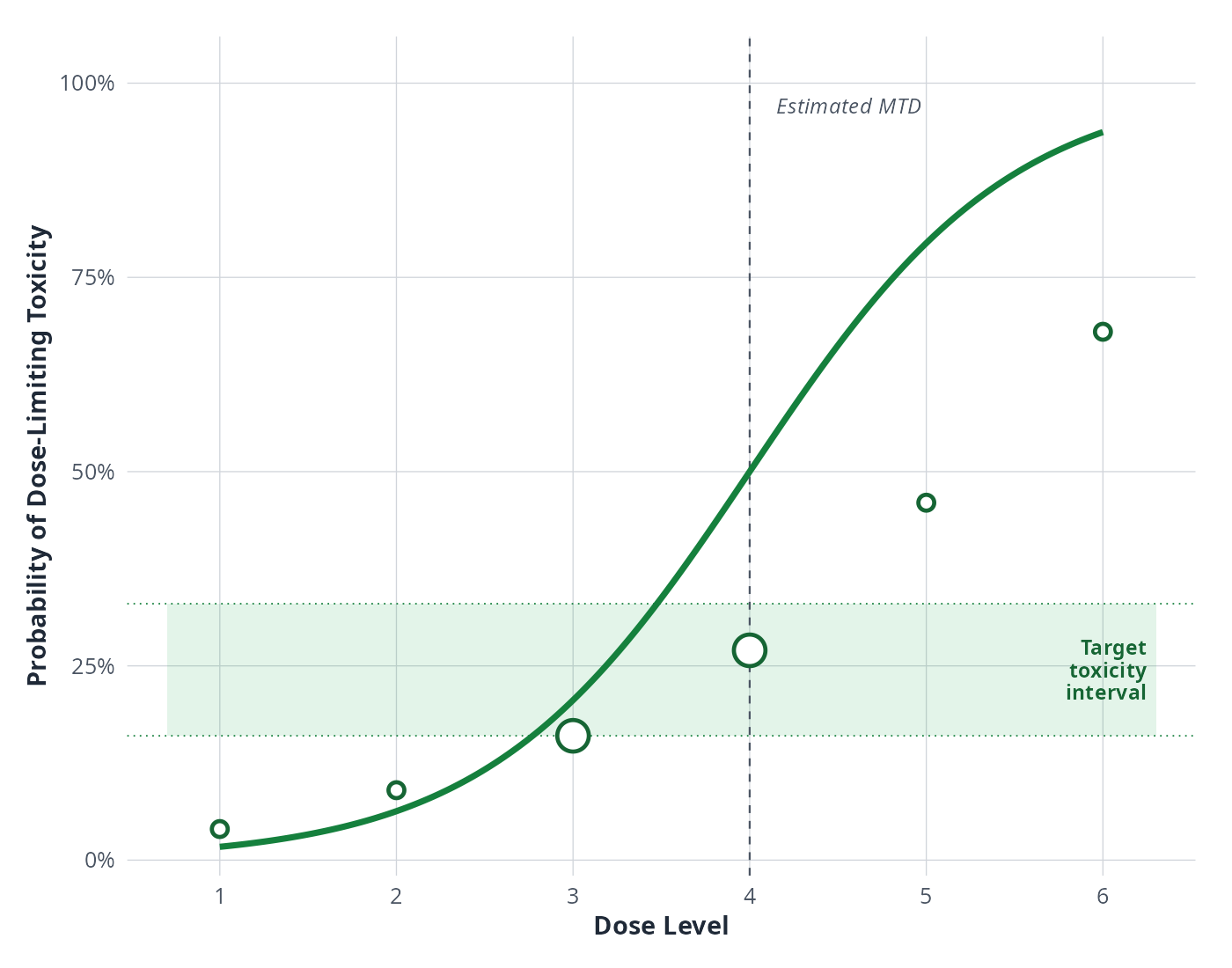
Our team designs and implements Bayesian adaptive trials across dose escalation, dose optimization, and Phase 2/3 studies, helping biotech and pharma companies make faster, better-informed development decisions. Placeholder text — to be refined.
Frequently Asked Questions
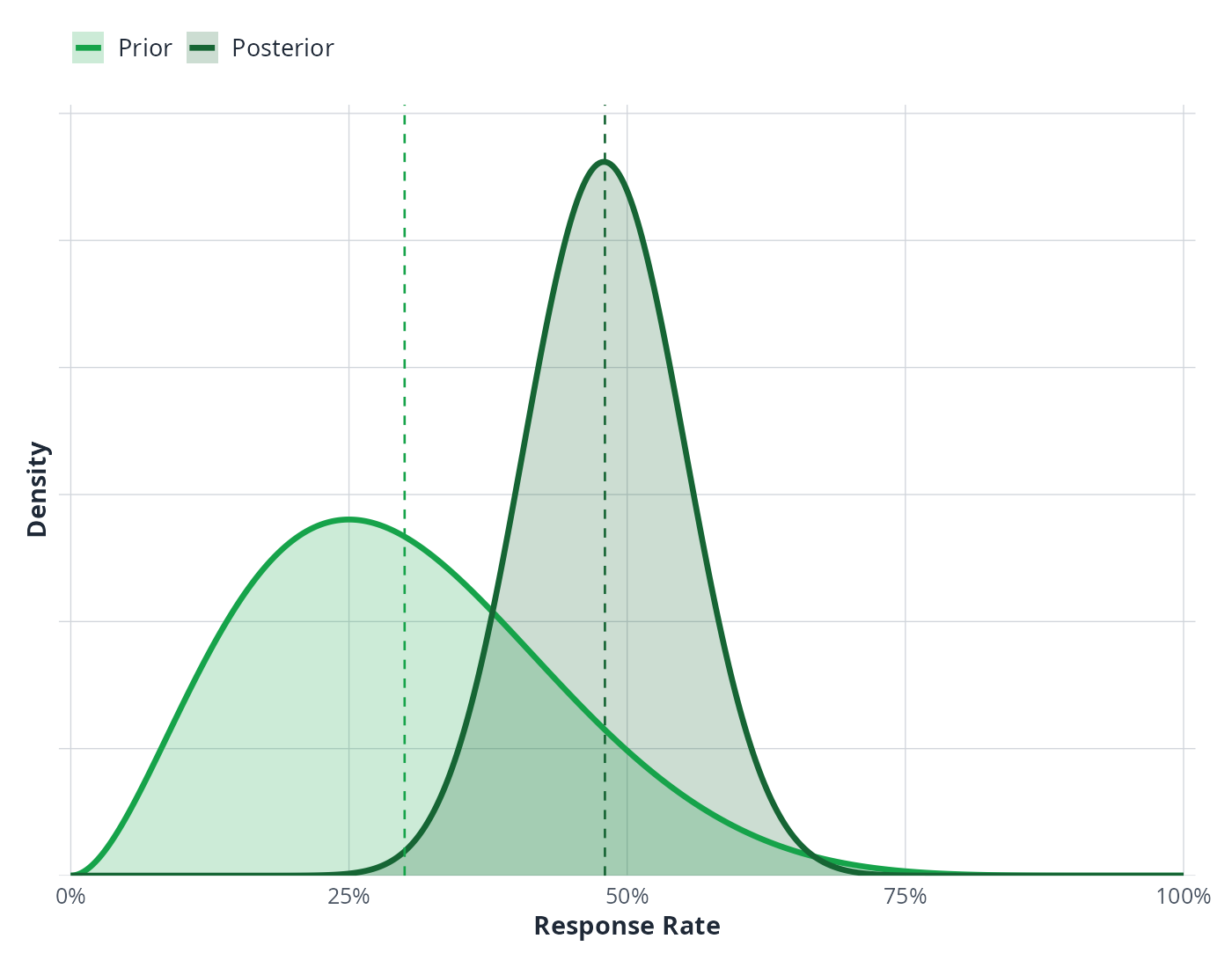
Bayesian Adaptive Design is a clinical trial approach that allows pre-specified changes to be made during the trial — such as sample size, dose allocation, or stopping rules — based on accumulating data and Bayesian probability. Placeholder text — to be refined.
Unlike a fixed design, an adaptive design can respond to interim data — for example by stopping early for futility or safety, or reallocating patients to more promising arms — while maintaining statistical rigor. Placeholder text — to be refined.
Early-phase dose escalation and optimization studies, and Phase 2/3 trials with limited sample sizes or high uncertainty, tend to benefit the most from Bayesian adaptive approaches. Placeholder text — to be refined.
We design, simulate, and implement Bayesian adaptive trials end-to-end — from protocol design and simulation to real-time monitoring and regulatory support. Placeholder text — to be refined.